
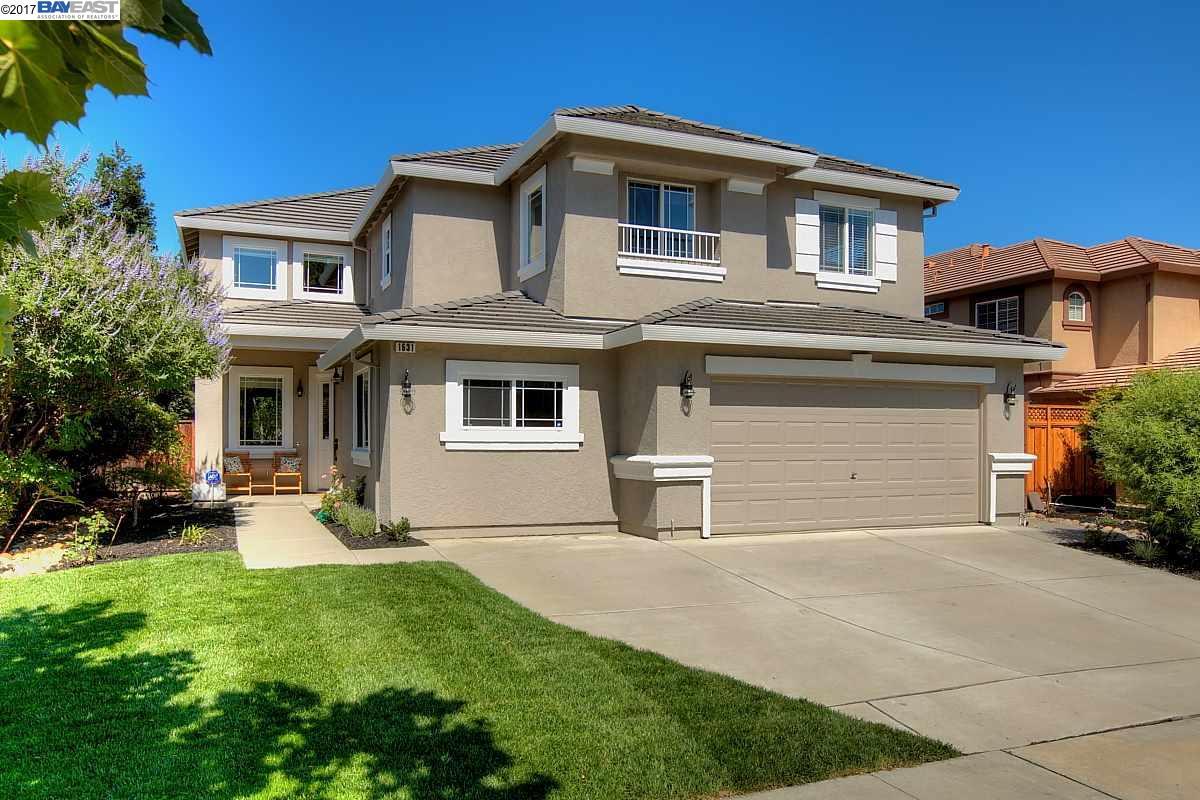
In a high-bracket state like California, understanding IRC Section 121 primary home exclusions and Section 1031 tax-deferred exchanges is essential to preserving real estate equity.
Comparison: Section 121 Primary Exclusion vs. Section 1031 Exchange
Understanding which tax code mechanism applies to your real estate portfolio:
| Tax Code Provision | Applicable Property Type | Exclusion / Deferral Benefit | Strict Time Constraints |
|---|---|---|---|
| IRC Section 121 | Primary Residence Only | Up to $500k tax-free gain (Joint) / $250k (Single) | Must reside in home 2 of prior 5 years |
| IRC Section 1031 | Investment & Commercial Property Only | 100% Tax Deferral on unlimited capital gain | Identify replacement in 45 days, close within 180 days |
| Delaware Statutory Trust (DST) | Passive 1031 Replacement Vehicle | Fractional ownership in institutional assets | Ideal for aging landlords seeking zero property management |
Portfolio Reallocation & Advisory
Navigating strict 45-day identification and 180-day closing deadlines demands experienced broker advocacy. Learn how Steven coordinates with qualified intermediaries through our Relinquished Property Advisory and Replacement Property Search, or consult with Steven on an upcoming exchange.
Frequently Asked Questions
Can I convert a primary residence into a 1031 investment property before selling?
Yes. Renting out your primary residence for a qualified period (typically 12 to 24 months) can establish investment character to qualify for a Section 1031 exchange.